






New Jersey Rail Strike Concludes with Pay Raise for Workers
After weeks of stalemate, negotiations have borne fruit, as the New Jersey rail strike has ended with a hard-fought pay raise for workers, a decision that echoes the ongoing national conversation about labor rights 🚂. The agreement signals a victory for the approximately 1,500 workers involved, showcasing the power of collective bargaining in reshaping workplace conditions during a time of rising living costs.
The decision 📝 came after intense discussions between union leaders and management representatives, culminating in a contract that promises a 12% pay increase over three years, along with enhanced benefits, including better health care provisions. According to union spokespersons, the negotiations aimed not only to address wages but also to establish a sustainable workforce environment amid increasing pressures on public transportation systems.
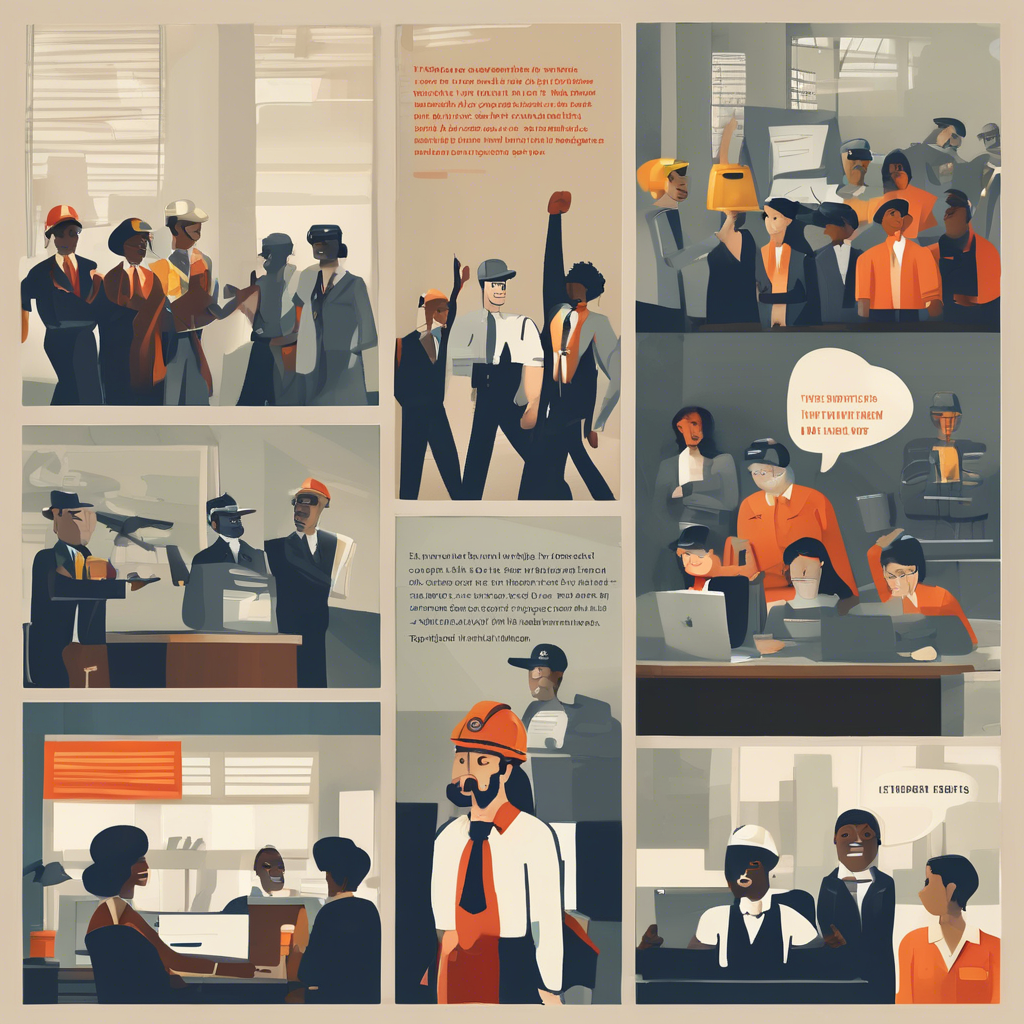
A union in action
The strike was not just a localized event; it reflected broader national trends in labor movements. Workers across various sectors, emboldened by recent victories, have been advocating for better wages and working conditions. In New Jersey, where the cost of living continues to climb, the rail workers’ strike was a focal point for discussions on economic justice.
“This is about more than just wages,” declared Richard Smith, regional director of the Railroad Workers Union. “This is about respect, dignity, and ensuring our members are able to support their families as inflation rises.” The workers had initially demanded a 15% increase, but through compromise, the union’s leadership negotiated a percentage that, while lower than the initial ask, still represents a significant gain in the face of corporate profits soaring in recent years.
The impact of the strike
Strikes such as this have tangible effects beyond immediate economic considerations. They raise public awareness about the struggles faced by workers in critical sectors. Commuters were significantly impacted, facing disrupted service and delays, a reality that often serves to galvanize public sentiment in favor of labor movements. According to transit authority data, over 40% of commuters rely on rail services in the region, making the strike a pivotal moment for thousands of daily travelers.
What’s next for the rail workers?
Moving forward, the rail workers are optimistic but aware of ongoing challenges. The new contract must be ratified by the union members, a process expected to conclude by the end of the week. Branch leaders are already strategizing on how to maintain momentum, focusing on fostering better communication between management and staff to avoid future disruptions. The union also expressed intentions to advocate for further improvements in safety regulations and working conditions, essential elements that guarantee not only employee satisfaction but also passenger safety.
“We need to build on this momentum,” commented union leader Sarah Khan. “We have shown that collective action can yield real results.”
The broader context of labor movements
This strike fits into a larger narrative unfolding across the nation, characterized by a resurgence in labor activism. The Bureau of Labor Statistics reported a 40% increase in the number of strikes in 2022 compared to previous years, indicating a heightened awareness among employees regarding their rights and conditions. With inflation rates rising and corporations reporting record profits, discontent among various labor sectors tends to brew. More unions are springing up, advocating for workers, from healthcare to education sectors, which adds pressure on businesses to adapt or face potential walkouts 📈.
Moreover, New Jersey’s strike is a reflection of the nation’s broader economic landscape. As cities grapple with rising costs, public awareness grows around the issue of wage stagnation amid corporate profitability. It invites a pertinent discussion: what constitutes fair compensation in today’s economy? As workers’ voices continue to resonate, the outcome of this strike may well impact labor negotiations across the country, encouraging more workers to stand up for their rights. ⚖️
Conclusion
The end of the New Jersey rail strike marks a significant moment for labor rights advocates. With the commitment to wage increases and enhanced benefits, the victory for these workers showcases the strength of collective action and represents a hopeful sign for future labor movements. As both challenges and opportunities lie ahead, the environment may continue to shift, empowering workers to assert their needs within an evolving economic context.



I think the rail workers shouldve held out for even higher pay! They deserve more for their hard work. #PayRaiseDrama
I wonder if this pay raise will lead to better working conditions for the rail workers. Its a win for them, but what about the long-term impact?
Wow, great news for the rail workers in New Jersey! Do you think this will inspire other unions to take action too? Lets discuss!
Definitely! Solidarity among unions is key. Collective action gets results. Lets see whos next!
I think the rail workers deserve even more pay! They work hard and deserve to be compensated fairly. #PayThemWhatTheyDeserve
Wow, those rail workers really fought hard for that pay raise! Do you think strikes are effective in getting better wages?
I think the rail workers deserved more than just a pay raise. They should have gotten extra vacation days too!
I think the rail workers were being greedy. They already have good pay and benefits. Why disrupt everyones commute for more?
I think the rail workers deserved even more than just a pay raise. They should have gotten better benefits too!
I think the rail workers should have held out for even higher pay! They deserve more for their hard work.
Im not convinced this pay raise is sustainable long-term. Will it lead to higher ticket prices for commuters? Just a thought.
Higher ticket prices are inevitable. Enjoy the pay raise now, pay more later.
Im glad the rail workers got a pay raise, but is striking always the best way to negotiate? What do you think?
Wow, great news for the rail workers in New Jersey! Do you think this strike will inspire other workers to push for better pay too?
Wow, great news for the rail workers in New Jersey! Do you think this pay raise will lead to more strikes in the future?
Wow, thats great news for the rail workers! Do you think other unions will follow suit? Exciting times ahead!
I think the rail workers deserved that pay raise after the strike. Hope this sets a positive precedent for other workers too!
Im glad the New Jersey rail workers got a pay raise! Strong unions make a difference. Wonder what theyll negotiate next.