





Montgomery County Public Schools Tighten the Screws: Bell-to-Bell Cellphone Ban This Fall 📵
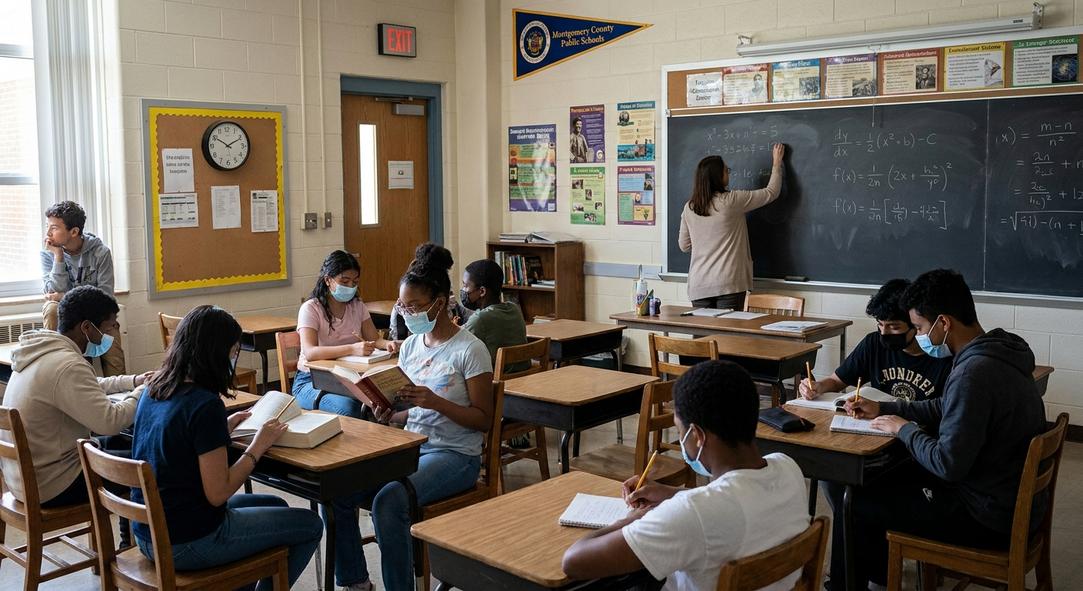
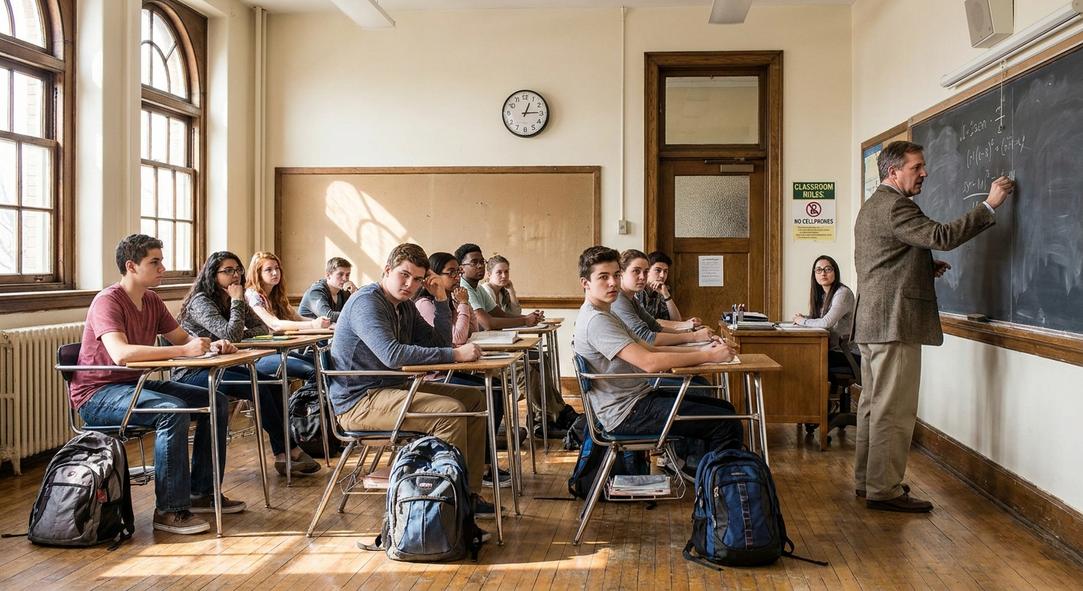
As the leaves turn this fall, Montgomery County Public Schools (MCPS) is embarking on a seemingly revolutionary journey: a bell-to-bell cellphone ban. It’s a bold move, one reminiscent of a bygone era when classrooms were oases of chalk dust and paper, unyielding to the digital siren calls of TikTok and Snapchat. 🍂
A Ringing End to Digital Distractions?
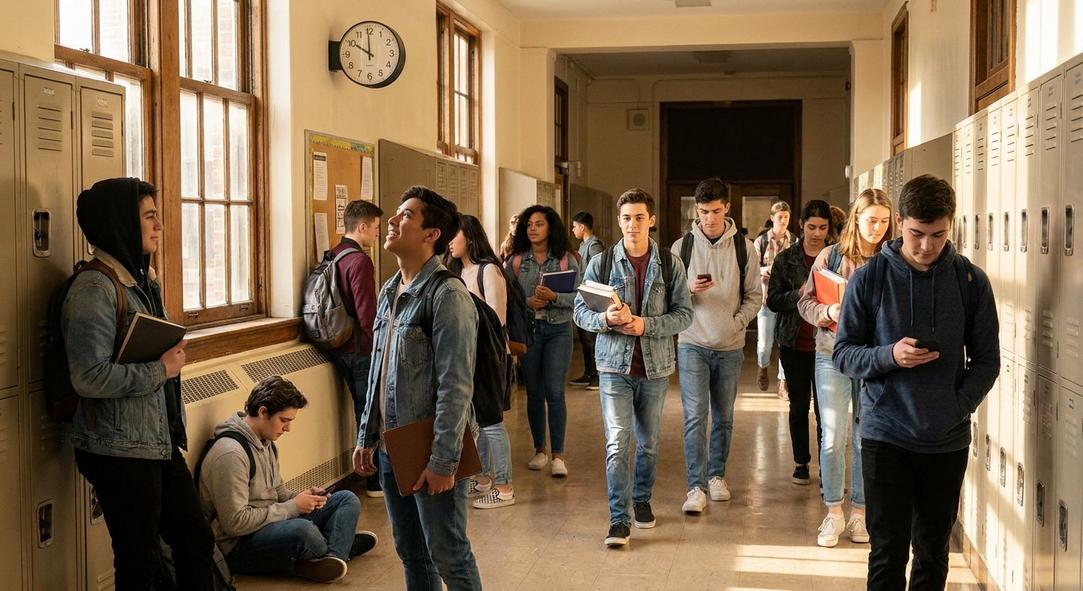
One might wonder if MCPS’s decision evokes the austere days of one-room schoolhouses, enforcing focus with little more than stern looks and the occasional ruler tap. Education authorities assert that incessant buzzing and glowing screens are today’s bane, a modern Pandora’s box unleashing distraction with every notification 🔔. But is it a step forward, or are we clinging to an illusion of control as slippery as a bar of soap?
Indeed, the data suggests a growing concern. A 2018 survey by Common Sense Media reported that 50% of teens felt addicted to their devices, with 78% checking their phones every hour. It’s a cognitive tug-of-war pitting dopamine hits against algebraic functions 📐. The statistics court undeniable logic: the fewer the diversions, the more focused the learner. Yet, there’s an irony that sneaks in when one remembers that today’s curriculum often demands tech-savvy learners adept at navigating both periodic tables and operating systems ✨.
The Digital Paradox
This ban, however, is not without its paradoxes. In an age where digital literacy is king, banning cellphones might feel akin to banning pens because ink stains tables. Technology, once the classroom’s burgeoning ally, now finds itself the villain of the day. Is it possible, then, that education’s greatest ally has morphed into a modern-day Frankenstein, threatening the very process it was supposed to enhance?
Ringing Alarm Bells
Opponents of the ban insist there’s a balance to be struck. They argue that smartphones, much like any tool, wield power both for good and for distraction. Learning to navigate this duality might prepare students for a world where such navigation is pivotal. Amidst it all, the educators’ challenge is pronounced: cultivating an environment that’s both disciplined and dynamic 🌱.
Some educators argue for a more nuanced approach. “It’s not about the tool; it’s about how we guide students in using it,” said a seasoned teacher in the district. With smartphone screen blue light perhaps the digital era’s new shade of red ink, is the answer to teach digital discernment rather than enforce digital deprivation?
Contrasts and Conclusions
As the school year picks up, the ban will surely act as an educator’s Rubicon, a crossing where old meets new. Cellphones, for better or worse, are the lifelines of a generation born not with silver spoons but with silicon chips in hand. Can education encapsulate the ethos of both Socratic discourse and Instagram reels 📚? Or must one fade to the din of silent notifications?
Ultimately, MCPS’s cellphone ban effort will be worth watching, a societal experiment that may shape future norms. Whether this experiment grants a blessed silence or stirs a hornet’s nest remains to be seen 🔍.