




Montgomery County Schools and the Great Cellphone Ban 📵
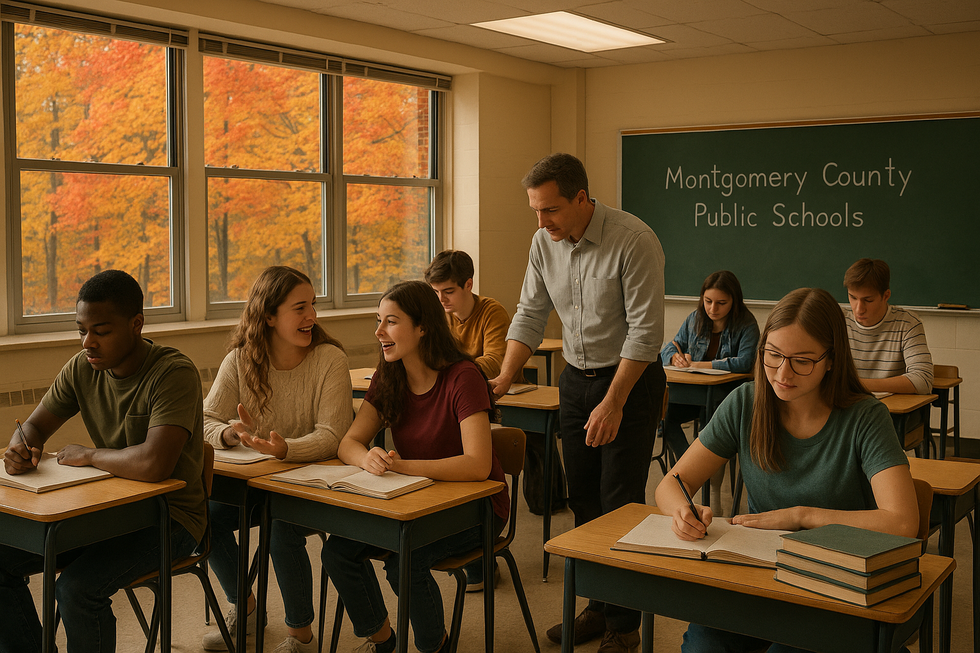
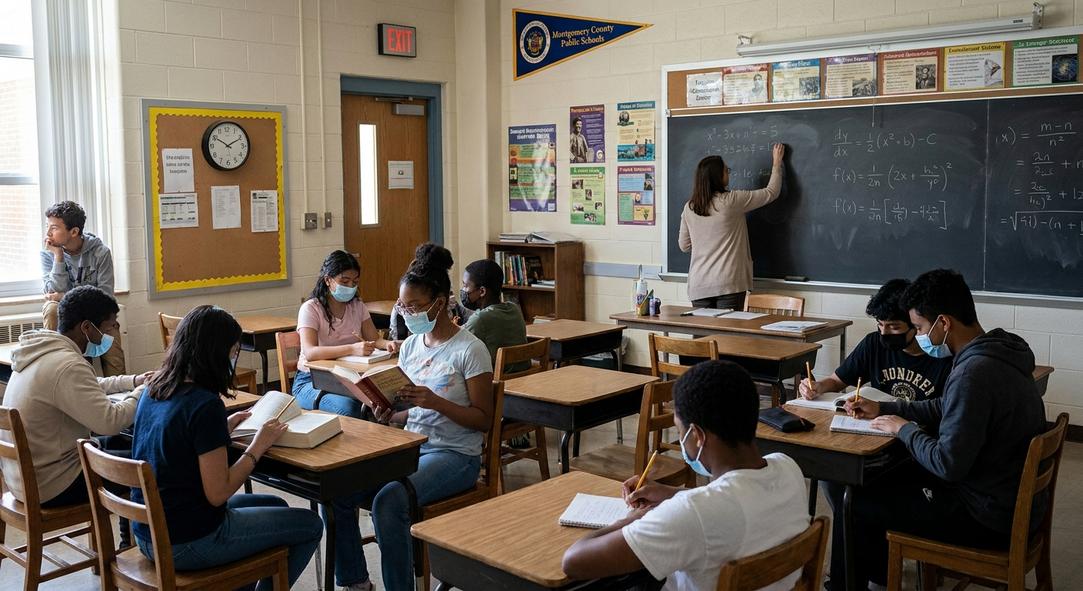
As September rolls in, replacing the sweltering embrace of summer with the brisk air of academia, students in Montgomery County Public Schools will be greeted with a policy that promises to be as unpopular as it is potentially transformative: a bell-to-bell cellphone ban. In the grand tradition of educational decrees, it aims to curb digital distractions by keeping those ubiquitous little screens tucked away, much like a squirrel hoarding treats for winter. But in a world where flicking through TikTok and WhatsApp feels as natural as breathing, this rule might as well be an air embargo on cellphone zealots. 📚
Dialing Down the Distraction
On the surface, the logic rings true. The virtual world has so thoroughly permeated the physical one that classrooms, once the sanctuaries of knowledge, are now battlegrounds for attention. When teachers compete against images flashing faster than the spectrums of visible light—a losing race—the decision seems necessary. Schools have become akin to monasteries, attempting to preserve the sacred art of learning amidst a cacophony of digital ringtones.
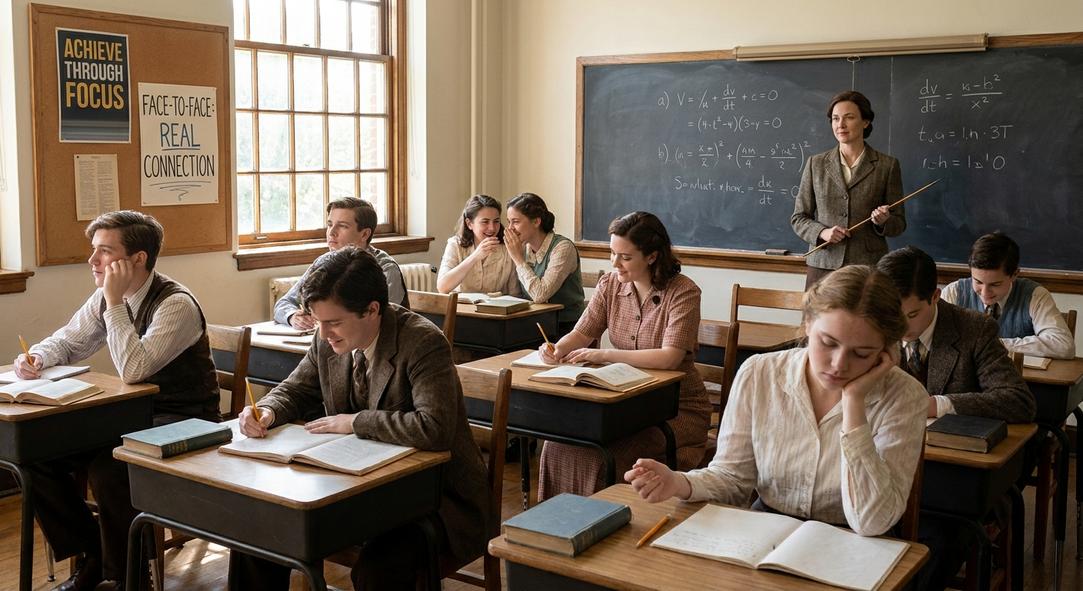
The Center for Research on Educational Outcomes notes that excessive cellphone use can dilute students’ attention span, akin to the iPhone’s infamous autocorrect—sometimes hilariously confusing, occasionally disastrous. According to their studies, students engrossed in devices often experience decreased academic performance. Montgomery County Superintendent Jack Smith believes this policy will help “restore the primacy of face-to-face human interaction” among students who now text each other while sitting side by side on cafeteria benches.
The Double-Edged Swipe
Yet, it would be simplistic to view the ban as a pristine solution. In a digital age where the virtual classroom supplements the traditional, students aren’t merely losing a distraction but a resource. The cellphone, paradoxically, is both a Pandora’s box of trivia and a library card to the world’s knowledge. It’s akin to banning pens on the premise that they occasionally doodle rather than draft handwritten notes. Teachers and students now stand at the crossroads of necessity and convenience—an irony not lost on them.
Historically, schools have resisted technological encroachments—from calculator bans in math classes to the controversial laptop limitations in lectures. This embodies the antithesis of a progressive era pushing forward. Perhaps the cellphone ban can be seen as the modern equivalent of banning Walkmans to prevent dancing in aisles. 🚶♂️
Beyond the Bars: Imposed Focus or Innovation Opportunity?
There’s a chance that this initiative will yield a positive transformation—a 21st-century throwback encouraging genuine interpersonal relationships and fostering creativity not confined by the rectangular constraints of screens. By banning smartphones from classrooms, schools might inadvertently discover the antidote to the addled attention spans catalyzed by digital-age stimuli. 🤯
Of course, as with any remedy, it’s not without downsides. Schools will need to provide adequate technological resources and innovations to compensate for this digital hiatus. Platforms encouraging student engagement—free of distractions but rich in content—will be crucial. Already, forward-thinking educators are using digital-free philosophies, structuring their curricula so that students realize that learning, like a long-lost skill, can be immersive and enjoyable in itself.
In Conclusion: A Curious Experiment 🔍
As Montgomery County rings the bell this fall, heralding a bold back-to-basics strategy, time alone will tell whether students will embrace this new norm or rebel against it as fiercely as any pop-culture conscience. Will classrooms reclaim their integrity, or will this be another chapter in the colorful history of fleeting pedagogical reforms?
In the era of smartphones and smart-education, this subtle irony reminds us of the dual-edged nature of progress: sometimes reducing technology can illuminate brighter paths ahead. And so, Montgomery County embarks on this grand experiment—proof, perhaps, that while you can teach an old school new tricks, it’s the students who must invest in the magic. 🪄