






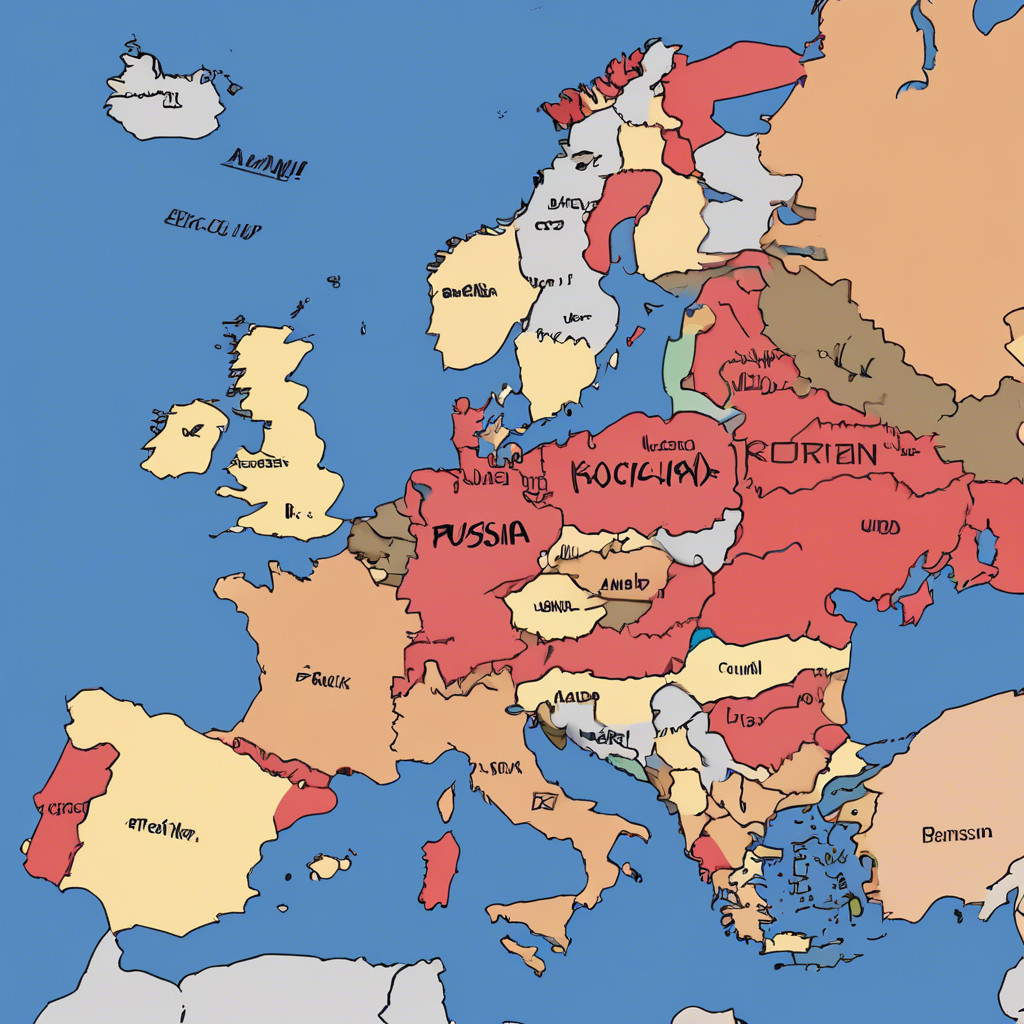
Russia-Ukraine Talks: A Game Changer for European Strategies on U.S. Sanctions
After months of escalating tensions and sanctions, the sudden momentum in Russia-Ukraine negotiations has upended the European push for American sanctions against Moscow, sending shockwaves through the political landscape. The complexities of diplomacy have always resembled a chess game, but recent developments compel us to reconsider how the pieces are moving on the board. As talks unfold, key European nations and the United States find themselves at a critical crossroads, with critical implications for international relations and economic stability. 🕊️
The Significance of Negotiations
A series of high-level discussions between Russian and Ukrainian officials have sparked cautious optimism, highlighting the non-linear path toward peace and stability in Eastern Europe. According to sources, these talks aim to address long-standing grievances and propose measures to de-escalate the conflict that has devastated the region since 2014. The urgency behind these negotiations is palpable, particularly for European countries grappling with energy dependence on Russia ⚡.
Recent data suggests that Europe relies on Russian oil and gas for nearly 40% of its energy needs. This dependence complicates the narrative surrounding sanctions, as European leaders now face an unpredictable future in energy procurement while balancing the need to exhibit solidarity with Ukraine. Could successful talks lead to a recalibration of sanctions? The prospect hangs heavily in the air.
The Changing Dynamics in Europe
European nations, traditionally aligned in their stance against Russian aggression, are now more divided than ever in their approach to sanctions. Germany and France advocate for caution, urging a diplomatic solution, while Eastern European countries, like Poland and the Baltic states, continue to call for stringent actions against Moscow. The shifting positions come at a time when public sentiment in Europe has been influenced by both the refugee crisis and economic strains, leading to a complex interplay of factors influencing policy decisions. 🌍
The U.S. Response: Navigating a Path
In Washington, debates are raging over the efficacy and timing of sanctions against Russia. While the Biden administration remains committed to holding Moscow accountable, the calls for new, tougher sanctions coincide with the hope that negotiations might yield positive outcomes. Analysts warn that rushing into additional sanctions without considering the delicate geopolitical context might put European cohesion at risk.
“Strengthening sanctions while engaging in diplomacy is a challenge that demands calculated precision,” states Dr. Amelia Hayes, an expert in international relations. “The U.S. must tread carefully, balancing its position without alienating crucial allies.”
What Lies Ahead: Predictions and Speculations
As the negotiations unfold, the eyes of the world remain glued to the outcomes that could redefine Europe’s relationship with Russia. Key analysts suggest several potential scenarios:
- Successful Diplomacy: If the talks yield tangible results, Europe may indeed soften its position on imposing new sanctions, allowing for a phased approach to sanctions relief. This would be considered a significant diplomatic win for both Russia and Ukraine.
- Stalemate: If negotiations stall, European nations might feel emboldened to pursue unilateral sanctions, despite U.S. hesitations. The risk here is a deeper divide within Europe and a potential breakdown in unity against Moscow.
- Re-escalation: Should talks collapse dramatically, expect a vigorous push for intensified sanctions, possibly leading to further military support for Ukraine from NATO allies, escalating tensions further.
The Broader Implications
This precarious diplomatic dance will undoubtedly have broader implications beyond Europe. It could influence global energy prices, reshape international alliances, and embolden other countries testing their geopolitical ambitions. The ongoing Russian-Ukrainian conflict is not just a local issue; it is a bellwether for how the international order adapts to challenges presented by authoritarian regimes. 🌐
In the coming weeks, as we follow the twists and turns of negotiations, the world will be watching—not just for the outcomes themselves, but for how these developments will shape the future of global governance and the evolving rules of engagement among nations.


Is it just me or does anyone else think Europe needs to take a bolder stance on Russia sanctions? #Geopolitics #DebateTime
Is Europe really ready to rethink its stance on Russia? The dynamics are shifting, but will it lead to real change? Lets discuss!
Is Europes shift in approach towards Russia a strategic move or a risky gambit? Whats your take on these geopolitical chess moves?
Why are we still relying on outdated strategies? Time to shake things up and rethink our approach to global politics.
I think Europe should just lift all sanctions on Russia and see what happens. Whos with me? Lets shake things up!
Bad idea. Sanctions are in place for a reason. Lets not risk stability.
I think Europe should just chill and let Russia do its thing. Who cares about sanctions anyway? Lets focus on more important stuff.
Im not convinced Europe should rethink U.S. sanctions on Russia. Seems like a risky move with uncertain outcomes.
Im not convinced this Russia-Ukraine talk will really shake things up in Europe. Lets wait and see how it plays out.
I think Europe should stop relying on the U.S. and take charge of their own foreign policy decisions. Time to break free!
I believe Europe should prioritize its own interests over the US when dealing with Russia. Time for some independence!
Europe should always prioritize its own interests. Independence is key for strong decision-making.