




Montgomery County Public Schools: A Ringing Change with Cellphone Ban 🔕📵
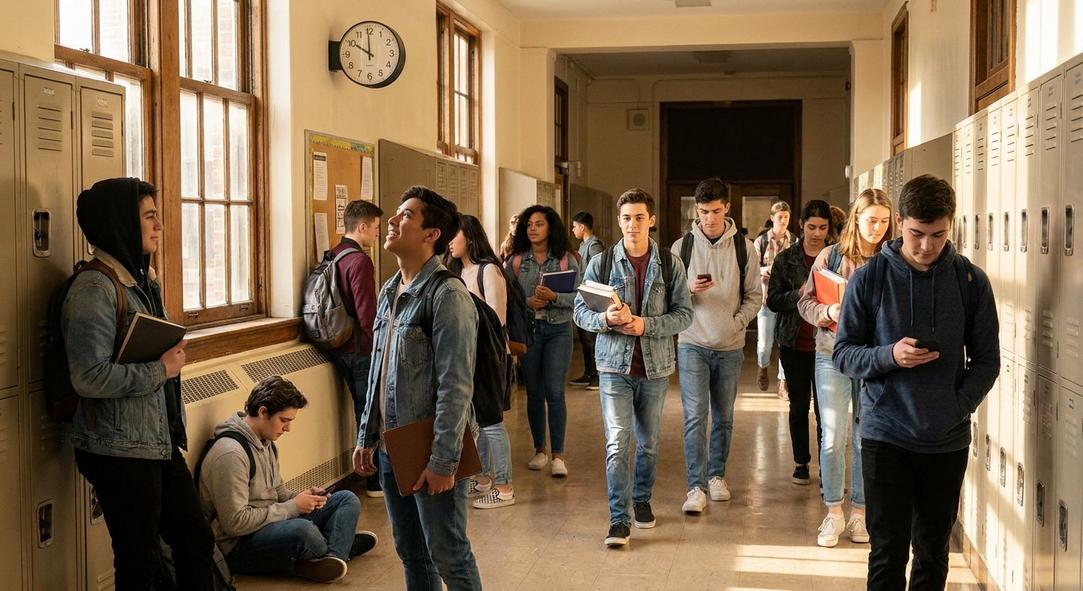
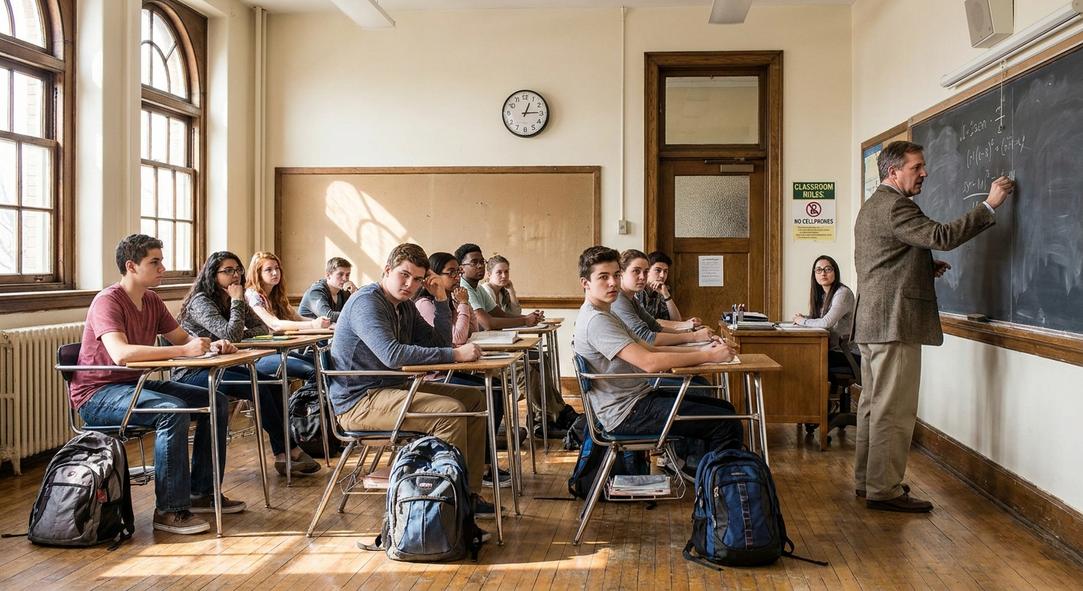
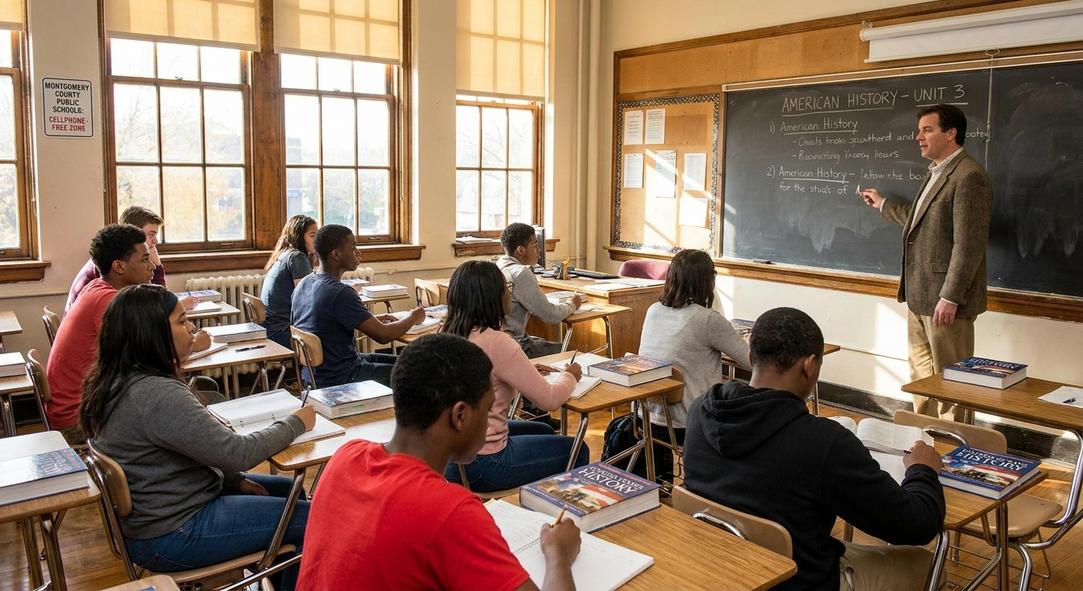
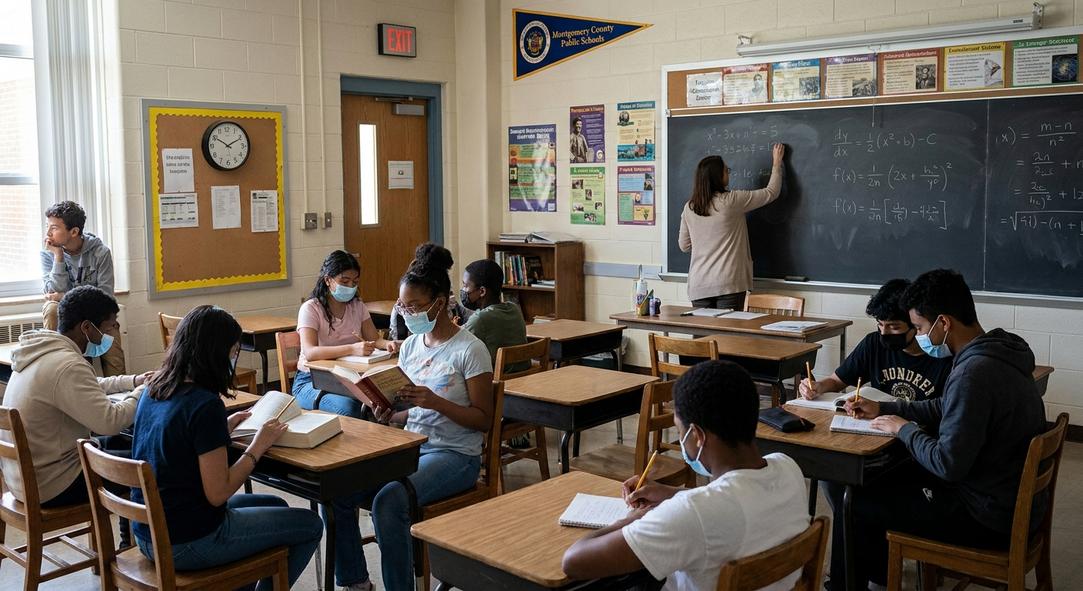
Imagine a classroom where the teacher is the sole source of enlightenment, echoing an era when chalk was the primary technology at hand. Will such scenes make a return in Montgomery County Public Schools with the proposed bell-to-bell cellphone ban? In a time when even toddlers become maestros of touchscreens, the decision to silence the omnipresent vibrating chorus might feel rather… analog. 🕰️📚
Beginning this fall, the school district embarks on a bold journey to rescue students from their digital captivities, responding to this tangled web we’ve spun where knowledge and pings are captured in the same net. Let’s unravel this audacious move by exploring its implications not only for the students but for education itself 🌐.
More Than Pixels: The Argument for Silence
In the sepulchral silence without the buzz of notifications, MCPS maintains that students will find a renewed focus. The constant guest appearance of smartphones in educational settings often draws students away like moths to a screen’s glow, a detriment, many argue, to classroom dynamics and learning 📚🦋.
The concern isn’t entirely misplaced. A 2020 survey showed that 67% of teachers felt that cellphone distractions directly impacted student performance. Meanwhile, a paradoxical context emerges — while students embrace digital learning tools, the humble pencil and paper still yield tangible results that tech can’t replicate.
Teaching in a Digital Twilight Zone
For every story of innovative educational tech wielded with finesse, there’s one of frustration, as educators wrestle with WiFi that tends to vanish faster than Houdini. Schools navigating between past and present sometimes resemble technologic battlegrounds more than places of learning. But perhaps, this ban attempts to uncover a balance, suggesting that not every sound in the symphony of learning must be amplified via speaker 🎶📵.
- Enhanced Student Focus: Without mobile screens to captivate, students may turn their attention back to classroom activities and peer interactions.
- Minimized Distractions: Teachers can regain their classrooms from digital interruptions, possibly improving lesson coherence and student understanding.
- Encouraging Personal Interactions: Students might engage more in face-to-face communication, developing crucial social skills.
A Tectonic Shift or a Return to Simplicity?
How will students adapt to this temporary estrangement from their digital appendages? Though the policy aims to usher in improved academic attentiveness, there’s a certain irony in expecting digital natives to flourish analogically in what is undoubtedly a digital era.
Research from the University of Chicago has shown that the mere presence of a phone, even when unused, can reduce cognitive capacity. This phi phenomenon — where latent abilities flicker just out of reach — speaks volumes 📚💡.
Where Do We Draw the Line? 🤔
Balancing technology’s role in education is akin to navigating through a paradox wrapped in a dilemma. Admiring technology’s power in personalizing learning and simultaneously cursing its penchant for distraction underscores an essential point: the balance between harnessing advancements and maintaining educational purity is as delicate and thrilling as watching a tightrope walker.
Montgomery County’s proposed ban becomes a litmus test; a decision that might remind students of a timeless fact in education — sometimes, simplicity, like a quiet night sky, offers the most luminous insights.
Will these schools prove to be pioneers of a new-old educational renaissance, or will they find themselves straddling two worlds: neither fully digital nor completely traditional, but always evolving 🌍📚?