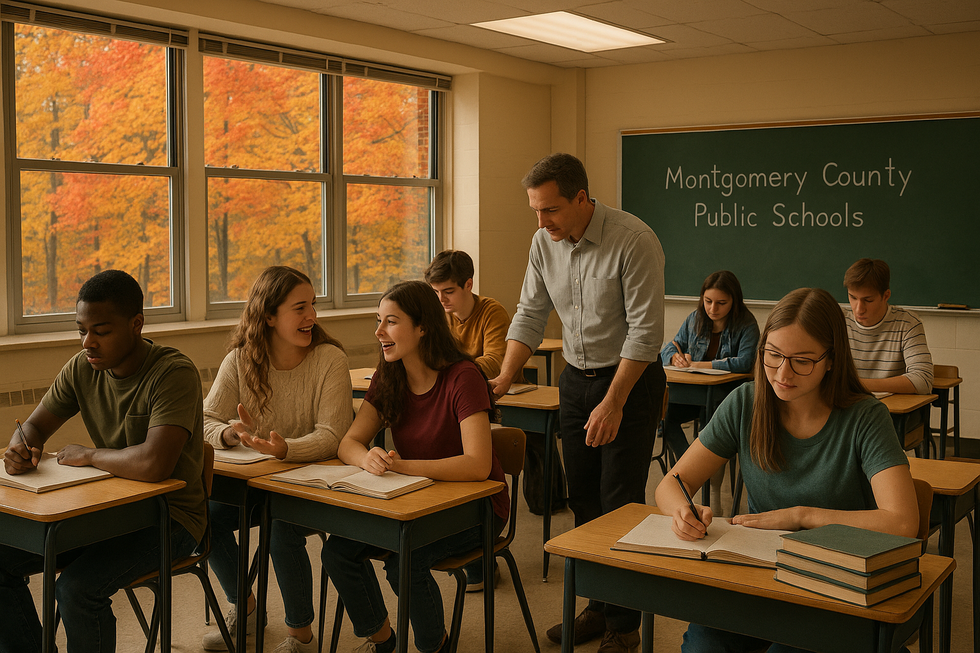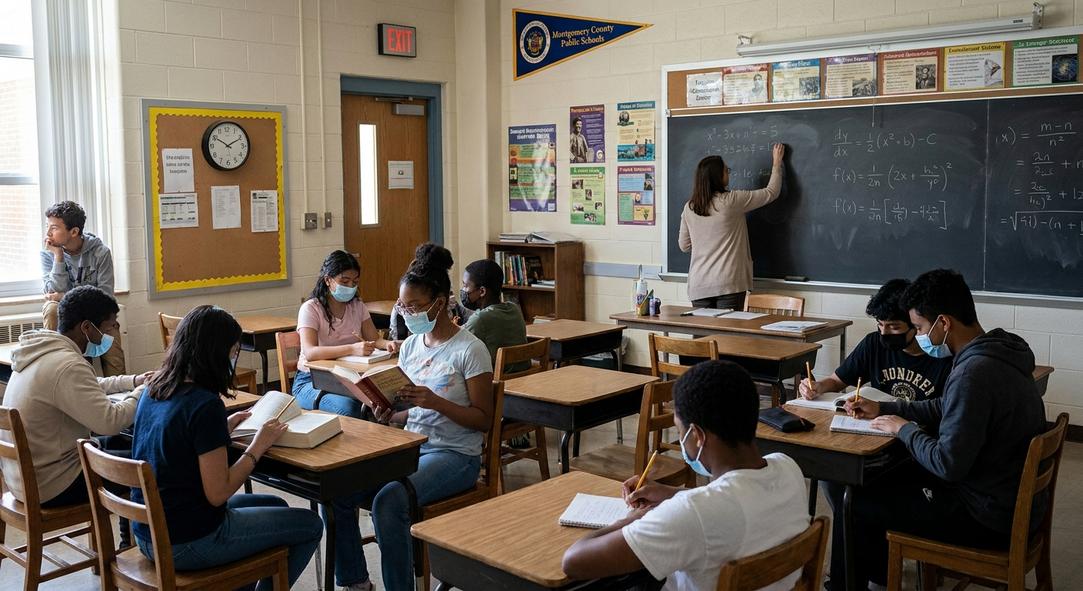





Montgomery County Public Schools to Enforce Bell-to-Bell Cellphone Ban This Fall 📵📚
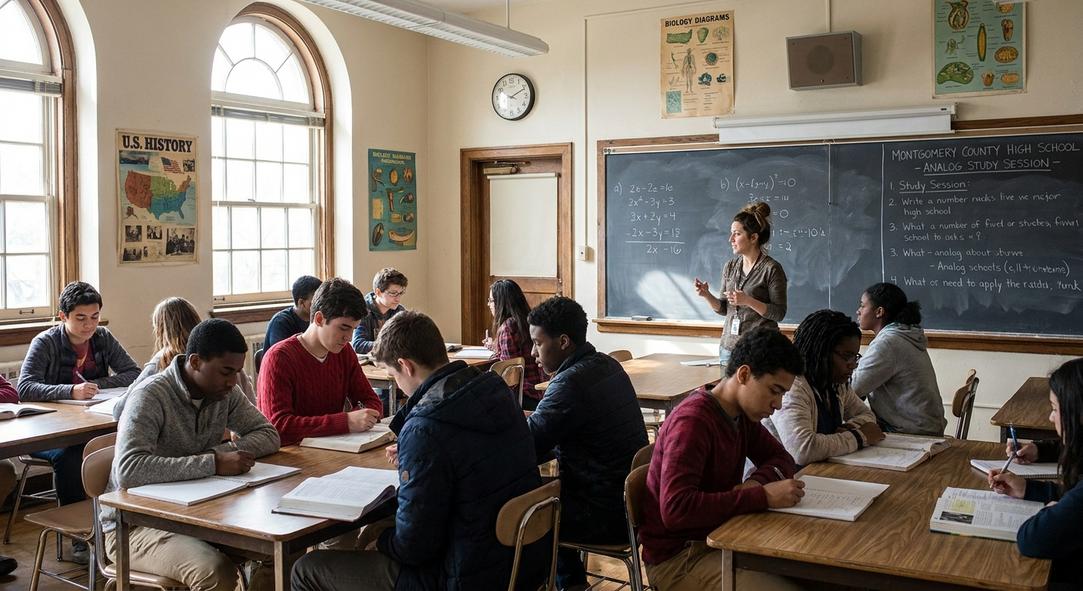
The ringing in of a new school year often brings with it a host of changes, but this fall, Montgomery County Public Schools (MCPS) is poised to make waves—or perhaps still waters—by implementing a comprehensive ban on cellphones “bell to bell.” The move aims to curb digital distractions and refocus attention on chalkboards rather than screens. But in an age where smartphones double as notepads and dictionaries, can such a measure succeed, or does it instead ring ironic as the latest episode in a decades-long saga between educators and gadgets? 🤔
The Rationale Behind the Ban
The decision for the cellphone ban stems from growing concerns about attention spans, academic performance, and the deteriorating art of face-to-face communication. School administrators have received no shortage of input from teachers exasperated by the omnipresent glow of smartphone screens. As if a scene from a digital age tragedy, students seem to have become modern-day Narcissus, gazing into the glowing pools of their personal devices.
Data paints a complex picture: According to a survey by Common Sense Media, 50% of teenagers reported feeling addicted to their devices. Consequently, the sight of students leaning over glowing rectangles as classroom lectures unfold has become as common as the sound of a school bell. 🔔
Paradox of Progress: Nostalgia Versus Necessity
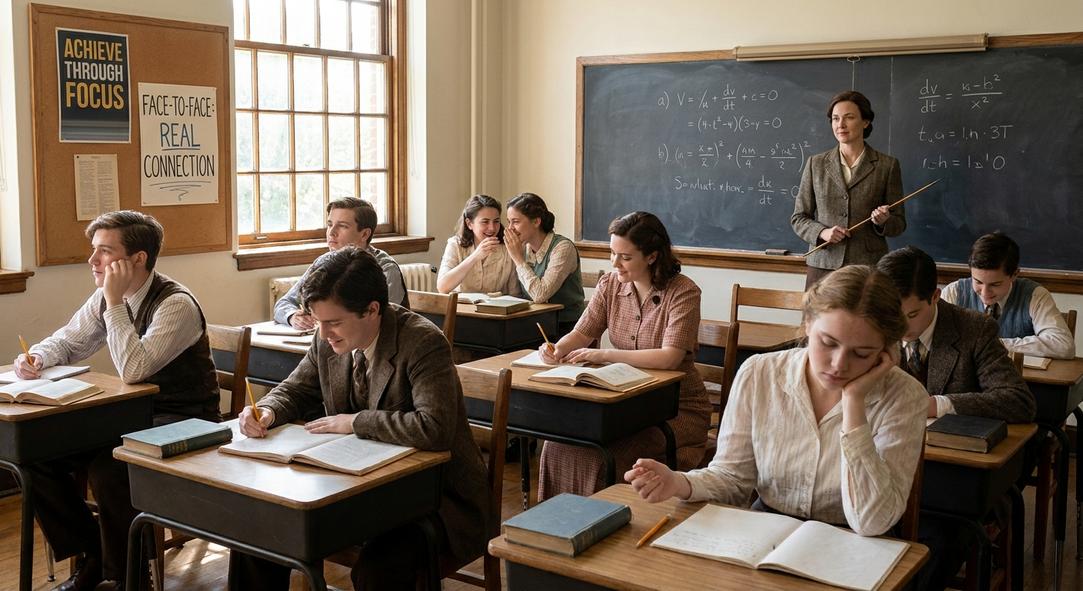
On the one hand, the cellphone ban seems a desperate echo of the past, a longing reminiscent of a time when classroom interruptions were limited to a pigeon flying into a window. Yet today’s classrooms are not mere relics; they are ecosystems that simultaneously rely on and resist constant connectivity.
Modern education demands integration with technological tools, and herein lies the paradox. Schools have invested heavily in digital platforms for learning and instruction, asking students to live in both analog and digital worlds. To cut off one while leaning on the other poses the proverbial question: can you have your cake and eat it too? 🎂
Classroom Discourse: From Text Alerts to Textbooks
For teachers and students alike, the transformation from a “silent mode” classroom to one of active engagement is the ultimate goal. But let’s dig deeper.
For educators: The absence of the digital haze could facilitate more organic interactions and spur a renewal of traditional learning values. The classroom, once a realm of soft whispers and turned pages, aims to return to its roots—if only for the length of a class period.
For students: Disconnecting from the digital ether may initially feel like shedding a second skin, but proponents argue it fosters an environment where students appreciate the slow burn of a hearty classroom debate over rapid-fire digital discourse.
The Challenges of Enforcing a Tech-Free Zone
Despite the good intentions, enforcing a bell-to-bell cellphone ban could be akin to catching smoke—visible yet elusive.
- Resistance from Parents: Many argue that phones provide a direct line to their children amidst growing safety concerns.
- Enforcement: Monitoring device usage without turning teachers into wardens could present its own set of challenges.
- Technological Reliance: Schools reliant on digital tools must finely balance a policy that doesn’t create more headaches than it resolves.
An Ohio State University study discovered that students given unrestricted phone access during lectures scored 13% lower in comprehension tests. However, the extent to which prohibition solves versus exacerbates underlying issues remains to be examined.
A Glimpse Forward: Bridging the Gap
It is difficult to predict whether this initiative will render educational fields fertile with focused learning or fall flat in the face of mounting modern-day pressures. Potentially, the solution lies not in the prohibition itself but in cultivating digital etiquette.
As Montgomery County embarks on this bold experiment, educators worldwide will be watching closely. Will the sound of silence be golden, or will the echoes demand a sequel? One thing is for sure: the classroom of tomorrow will necessitate obsolescence from neither tradition nor technology, but the harmony between the two. 🔄