






“`html
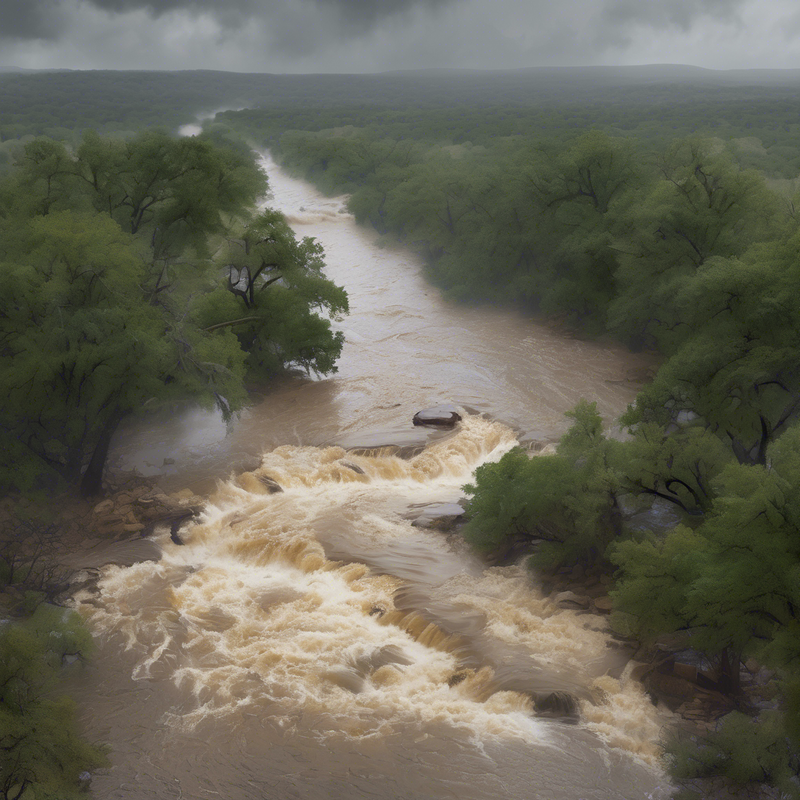
Texas Hill Country is no stranger to flash floods. Why were so many caught off guard? 🌧️🏞️
The Texas Hill Country, with its picturesque rolling hills and serene rivers, portrays a deceptive calm that masks its vulnerability to swift and devastating flash floods. When nature decides to unleash its fury, this seemingly peaceful terrain transforms into a raging torrent. However, for many residents and visitors alike, the abruptness of these floods often comes as a shock. Why is it that a region notorious for such dramas still finds itself unprepared? 🤔
The Reality of Regional Weather Patterns
Flash floods are almost as unpredictable as Texas politics; one moment it’s sunny, and in a blink, it’s a deluge. Historically, the Hill Country has weathered its share of storms, but climate change has turned this once-reliable rhythm into a discordant symphony. Rising temperatures have led to intense rainfall, acting like a pressure cooker, releasing water with little warning. How curious is it that, just as the digital age has made us instantaneously aware of distant news, our understanding of imminent weather threats remains stubbornly archaic? 🌪️
The irony is palpable: despite the advancements in meteorology, it seems many continue to live unaware of the doom lurking on the horizon, akin to a town that refuses to believe a storm is coming while “the next big thing”—their new development—sprouts like weeds after a rain shower. The region’s steep terrain exaggerates the impact of rainfall, funneling water swiftly down slopes and into creeks, marshes, and, ultimately, homes. Is it unawareness or a calculated risk? Regardless, the outcome remains the same. 💧
Human Behavior: The Denial of Danger
There’s a tendency among many to dismiss warnings as mere hyperbole, fueled by a cocktail of skepticism and familiarity. After all, most Texans pride themselves on their resilience, their “it won’t happen to me” mentality, a delusion as strong as sweet tea on a hot afternoon. It’s easy to forget the bitterness of reality, especially when past floods feel like distant memories, supported by warnings that drift in one ear and out the other. 🧠
The reluctance to adapt to proactive measures mirrors a broader societal trend: the fear of change. If evacuating is inconvenient, and preparations feel like worrying about the weather during a sunny picnic, what’s the threat? In this digital age of instant gratification, preparedness is often neglected—striking an antithesis to our technological capabilities. Why should one worry about a ‘what-if’ when there’s an imminent barbeque on the horizon? 🍖
Infrastructure: A River of Resistance
Moreover, infrastructure plays a critical role in mitigating, or exacerbating, flood impacts. The irony is striking: as towns grow, and more asphalt covers the earth, the very contours of traditional drainage systems fail to adapt. Pipes designed decades ago struggle under the weight of modern realities. With more homes built over creeks, “convenience” trumps ecology, creating an uneasy alliance between development and nature. Understanding the land is as essential as understanding ourselves, yet many prefer to keep that knowledge at arm’s length. 🏠
Community Resilience: Lessons in Adaptation
Yet, communities are not entirely untouched by the lessons of the past. Following devastating floods, many have banded together to enhance resilience, merging tragedy with innovation. This determination highlights another contrasting theme: hope amid chaos. New initiatives abound, from improved drainage systems to advanced early warning systems, evolving into community-driven efforts that act as lifebuoys in stormy waters. 💪
Local gatherings have turned into disaster preparedness workshops, weaving practicality into the fabric of community relations. Listening and learning from those who have faced the torrential wrath of flash floods brings a human touch to the technology at our disposal. After all, isn’t community spirit akin to a mighty oak, with deep roots that not only weather storms but also provide shelter for those in need? 🌳
A Call for Consciousness
As the climate changes, and rainfall intensifies, Texas Hill Country’s flash floods will continue to catch residents off guard—unless we consciously accelerate our collective actions. Awareness and preparedness might seem like burdensome tasks in sunshine, but they yield golden calm when storm clouds gather. It’s paramount to challenge the idea that a fast-approaching disaster is someone else’s concern—after all, denial is as effective a barrier as a paper dam against a rushing river. 🚣♂️
Perhaps a rethinking of priorities is in order. Should we continue to gamble on the thriftiness of a sunny day or build a sturdy ark in preparation for an uncertain future? In the dance between man and nature, may we find ourselves able to anticipate the rhythm before the first drops fall, fostering not just resilience, but a renewed respect for the land that sustains us. In this ever-changing narrative, we might yet learn that preparation isn’t just about survival; it’s about thriving—together. ☀️🚀
“`




I cant believe some still ignore flood warnings in Texas Hill Country! Lets learn from past mistakes and stay prepared. 🌊🚨
I cant believe people still underestimate the power of nature in Texas Hill Country. Stay informed and stay safe, folks! 🌧️🌊 #FlashFloodPreparedness
I think its crazy how some folks still underestimate the power of nature in Texas Hill Country. Stay safe, yall! 🌊🤠
Whats with the surprise every time it floods in Texas Hill Country? We need better prep and awareness, folks! 🤔🌊 #StayAlert
Who knew a scenic spot could turn into a danger zone? Mother Natures unpredictable, but should we blame ourselves for being caught off guard? 🤔
I cant believe some still underestimate Texas Hill Country floods! Lets learn from past mistakes and stay prepared. Safety first! 🌊🚨
I cant believe people still underestimate the power of Mother Nature in Texas Hill Country. Its time to wake up and be prepared, folks! 🌧️🏞️